Thursday, June 30, 2011

"Happy 4th of July" Italian Style


Italy, does not celebrate July 4 th as the United States does, but they do celebrate on June 2, which is like our July 4 th. It is called Republic Day or “Festa della Repubblica.” This year is the 150th anniversary of the unification of Italy (1861-2011). On this day, Italian’s celebrate and honor the anniversary that Italy became a republic.

Back in the United States, this weekend is called Independence Day, which is celebrated on July 4 th and is often known as “the Fourth of July.” It is the anniversary (235 years) of the publication of the Declaration of Independence.

How it all began was in 1775, people in New England began fighting the British for their independence. On July 2,1776, the Congress voted for independence from Great Britain. The Declaration of Independence was first published two days later on July 4,1776. John Adams the husband of Abigail Adams wrote in a letter to her how the day should be celebrated. He described “pomp and parade, with shows, games, guns, bells, bonfires and illuminations” throughout the United States. Interestingly, Thomas Jefferson and John Adams, both signers of the Declaration of Independence and presidents of the United States, died on July 4,1826 - exactly 50 years after the declaration.

What and how we celebrate the birth of our Nation is by a day of family celebrations with picnics and barbecues, showing a great deal of emphasis on the American tradition of freedom. Many people display the American flag outside their homes or buildings and many communities arrange fireworks that are often accompanied by patriotic music. The most common symbol of Independence Day is the American Flag. Other symbols related with July 4 th are the Statue of Liberty on Ellis Island in New York and Macy’s fireworks viewed all over the United States.

I remember when I was a young girl, we always had the whole family over for a BBQ on July 4 th. However, our BBQ’s were a little different from the traditional American family. Coming from an Italian American family, this is what my Mom would serve in the summer for our BBQ’s. We would have the grilled steaks, sausages and hamburgers, but we would also have some type of pasta either lasagna or baked Ziti. Oh, and don’t forget that our day started out with some antipasto and cheeses, with crispy sliced Italian bread in a big wicker basket. Some side dishes to enjoy with our grilled meats were vegetables like homemade eggplant parmesan, fried veggies, juicy ripe red tomatoes and if sausages were on the menu there was always red and green peppers with sweet onions in a huge bowl. Our family always enjoyed cold crisp salads, from a mixed green salad to beets and string beans mixed with a sweet balsamic vinegar and olive oil. Then if that were not enough, fruit would be served, like juicy watermelon, sweet cherries, peaches and plums. As we would watch the fireworks in our neighborhood, we would enjoy the desserts, pies, cakes, cookies and sweet creamy Italian pastries with black coffee or tea. I also remember that my Dad would always buy a few packages of sparklers and when it got dark, he would light them and watch us as we swirled them around in the sky. This is the way my family celebrated our nation’s birth.

Grandmother Julia, Great-Grandmother
Sofia, & my Mom (1950)
The recipe for this weekend is an Italian Stuffed Baby Eggplant. This recipe was created by my great grandmother Sofia and passed it down to my grandmother Julia and then she passed it down to my mother Madeline, who now has passed it down to me. This recipe would also be served along side of a great BBQ. As you know, the Italian American people helped build this country so I thought I would honor our Independence with this very appetizing dish. I hope that you enjoy your weekend with your family no matter how you celebrate July 4 th.
Italian Stuffed Baby Eggplant

Ingredients:
6 small eggplants (makes 12 half shells)
Olive oil
¾ tablespoon minced garlic
Salt and pepper to taste
2 8oz cans of tomato sauce (Del Monte)
½ teaspoon of basil flakes (or fresh)
1 egg
1 ¼ cups of bread crumbs (unflavored)
¼ cup of grated cheese (Pecorino Romano)

Directions:
Cut eggplant lengthwise in half and scoop out the inside of the eggplant. Cut scooped out insides into bite-sized pieces. Put scooped out shells in some salted water to par boil. Put just enough oil to cover the bottom of a 3-quart pot. Heat and sauté minced garlic. Then add tomato sauce and stir. Next, put in the cut up insides of the eggplant with salt/peeper and let cook until soft. (not mushy). Add water if needed. After they are cooked, remove from the heat and cool off a little. Combine the egg, breadcrumbs, grated cheese and basil flakes, and mix well. Now add to the combined mixture the cut up cooked, cooled eggplant insides. Drain eggplant shells in colander. Put a small amount of tomato sauce on bottom of baking pan. Now fill the eggplant shells with the mixture and place in baking dish. Put tomato sauce on top of stuffed eggplant. Also, add a small amount of water to bottom of pan and bake for 25 minutes at 350° Can be eaten as a side dish either hot or cold.

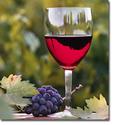
Wine: Zinfandel is my recommendation for wine, which goes well with eggplant, and grilled or barbecued meats. It is a full-bodied, dark red wine with blackberry and a peppery balance. This wine complements hearty, spicy foods and does not overpower the flavors of the food.
 
For my readers that are looking for answers to last weeks crossword puzzle find it here:
Hope that you had fun with the crossword.


“ Happy 4 th of July everyone!” Until next time……..


Copyright © 2011 All Right Reserved


Friday, June 24, 2011

"National Chocolate Pudding Day"


As my readers know, I like to mark the celebration of certain holidays and special food days so this weekend is no different it is “National Chocolate Pudding Day” on June 26. In America, chocolate pudding is a chocolate flavored custard. In Britain, chocolate pudding is more of a dense cake, and the word "pudding" itself can be a generic term for "dessert.” Mostly all English puddings begin with the same basic ingredients such as milk, sugar, eggs, flour and butter. They also involve fresh fruit like raspberries, strawberries, custard, and cream. In Italy, Nutella is the brand name of a hazelnut flavored sweet spread by the Italian company Ferrero who introduced Nutella in 1963. This tasty unique spread is made from the combination of roasted hazelnuts, skim milk and a hint of cocoa, plus it doesn’t have any artificial colors and preservatives. There are a number of ways to enjoy this luscious chocolate, but mostly with its creamy texture it is usually spread on bread and will delight your taste buds with each bite. The estimated Italian production of Nutella averages 179,000 tons per year and is sold in 75 countries. February 5th is “World Nutella Day” which is a day to celebrate, to get creative with and most importantly, to eat Nutella.

Now, back here in the United States, celebrating any type of chocolate is wonderful. If you are a true chocoholic like me, who craves and consumes chocolate any way you can this is for you. Do you love chocolate? Do you truly believe that chocolate makes every day a better day? Does the mere thought of chocolate make you feel warm and fuzzy inside? If you answered YES to any of the above, then this is the recipe for you. A cool summer treat.

I have always loved chocolate pudding, whether it is in a fancy parfait dish with whipped cream or in a pie with a graham cracker crust. I grew up with the cooked variety of chocolate pudding in a box. We never make the instant, as my Mom used to say that the consistency was different from the cook and serve. Then there was the little pudding cups from the store, but they were not the same as the kind you have to cook either. My-T-Fine or Jell-O pudding and pie filling was the only ones that we would buy in the supermarket. You had to add milk to the pudding and cook it on the stovetop. This pudding and pie filling is in a class by it’s self. It just seemed to be just richer and creamier than what the grocery stores carried. It cost a few cents more, but I will bet you never go back to the other brands once you have tried it. Chocolate pudding was not the only one that we would buy. My-T-Fine and Jell-O also had Vanilla and a Lemon pie filling which you could make a velvety smooth Lemon Meringue Pie. A nostalgic comfort food that brings back fond childhood memories. Who doesn't love the soft, creamy texture of old-fashioned puddings?

Therefore, it is a perfect fun day to celebrate with people young and old alike. Celebrating National Chocolate Pudding Day can add some lighthearted and delicious fun to what might be just another day in June. This recipe that I have for you this week is one of my all time favorites. My Mom taught me how to make this recipe and we used to make it in the summer, as it was a cool and refreshing dessert. Ice Box Pudding Cake, is so simple and easy but it is the best on a hot summers night, just enough to cool you off. This recipe is made using My-T-Fine or Jell-O brand Chocolate and Vanilla pudding (cook and serve). It also adds the texture of graham crackers and whipped cream. You can also make this in a larger dish and it can be served as a dessert for BBQ’s and for picnics. It truly is a great comfort food and people of all ages love it. So, enjoy “National Pudding Day” and create many memories with chocolate pudding.

As a fun activity to do while you are waiting for your pudding to set up in the refrigerator, is to try this crossword puzzle with a theme of Cooking Utensils. I will post the answers in next weeks Blog. So, make sure you come back and see if you have all the answers correct.


Across
2. The last of the common eating utensils to be developed.
5. Cook red cabbage in this and the cabbage turns blue.
8. A shallow concave container for particular type of custard pie.
10. A pan for making miniature muffins.
11. Metal cooking vessel, usually with a handle.
12. Metal or pottery that has been overlaid with a hard, glassy substance.
14. A communal social activity, a piece of electronic equipment, and a cooking appliance.
15. To separate lumps from a powdered material.
16. A Canadian ground pork, veal and onion pie, sometimes served cold.
19. A deep, round metal cooking utensil with one long handle.
20. Poultry cutter

Down
1. Cooking hole.
3. Kitchen appliance.
4. According to many, the most important kitchen utensil.
5. An aviation, baseball, and food processing term.
6. The single, central kernel or stone of certain fruits.
7. A large young chicken over 3 1/2 lb.
9. Made of heat-resistant material and used for cooking.
10. A gadget for extracting juice from a species of Allium.
11. Goes with vegetable, potato and apple.
13. Atomic number 13.
14. A fungus.
15. Paella pan.
17. An earthenware pot used to cook stews in Spain, Central & South America.
18. The goat god.


Ice Box Pudding Cake

Ingredients:

2 boxes (5.9 oz size) Cook & Serve Chocolate Pudding (NOT INSTANT)
2 boxes (5.9 oz size) Cook & Serve Vanilla Pudding (NOT INSTANT)
8 cups of whole milk
1 box (15 oz size) plain graham crackers
1 16 oz Cool Whip or whipped cream of your choice
1 11 x 7 inch glass baking dish

Directions:

Prepare the pudding according to the directions on the box for each flavor. Layer the glass-baking dish with graham crackers. (break the crackers, if necessary to fit the pan) Spread a layer of warm pudding on the top of graham crackers (use the chocolate for the first layer) Put another layer of graham crackers on top of chocolate. Then spread a layer of warm vanilla pudding on the top of graham crackers. Now cover with plastic wrap and refrigerate for 24 hours. The last thing to do is crush some graham crackers and sprinkle over the top of last layer (vanilla) after the pudding is set. When you are ready to serve it, cut the icebox cake into small squares. Then scoop the sections into individual serving bowls or plates and top generously with whipped cream.
Substitutions:
***Sugar free pudding or 1% milk would be fine to substitute for either of these ingredients. Just be sure to use the cooked sugar free pudding mix.
Till next time .....
 
Copyright © 2011 All Rights Reserved

Friday, June 17, 2011

Happy Father's Day or Festa del Papa


“Happy Father’s Day” or in Italian we say, ”Festa del Papa" Mostly Roman Catholic households in Italy celebrate Father’s Day on March 19, which is St. Joseph’s Feast Day. This day is celebrated to honor Saint Joseph, the foster father of Jesus Christ, a fatherly symbol of love, compassion, kindness, generosity and acceptance. This is a day when families show their gratitude to their fathers with favors, gifts and family gatherings.

But, here in the United States we celebrate Father’s Day on the third Sunday in June. The thought for creating a day for children to honor their fathers began in Spokane, Washington the year was 1909, when Senora Smart was listening to a Mother’s Day sermon. Her Mother had died and was raised by her father along with her siblings. She wanted to tell her father how special he was especially being courageous, selfless and a loving man. So since her father William was born in June she chose that month to hold the first Father’s Day on June 19th, 1910. The National Father’s Day Committee was formed in New York City in 1926 and recognized a permanent national observance of Father’s Day in 1966.

A day to celebrate fatherhood and male parenting for all fathers, whether it be dads, step-dads, grand-dads and even foster dads “You don’t have to have your own children to be a great Dad,” which is a very meaningful and moving quote.
My Dad & me
(1959-1960 ? )

So, today as I wish my Dad a Happy Father’s Day, and I also wish my son Paul, a Happy Foster Father’s Day as well.

My son Paul, is a foster father. He and Stacey (his wife) are foster parents. They met when they were both 21, on Oct 4, 1996. Their love and commitment continued and on January 6, 2007 they were married. As life would have it, they were not blessed with children so they decided to foster a child or possibly adopt.

Through the Department of Social Services in their town where they live, in upstate New York, they were able to go through the steps to become foster parents. They took the courses and became certified to provide a temporary, safe home for children in crisis. Foster parents are part of the child’s support and care. They are partners with the child’s case/social workers, teachers and doctors. Becoming a foster parent is not just the opening of one’s home and providing food, clothing and shelter. Foster care is a dedicated advocacy of love and nurturing for children. The goal of the foster care system is to reunite the children with their biological families. If this is not possible which sometimes happens, the county will begin to look for an adoptive home. The courts in that case usually ask the current foster parents if they are interested in adopting the child.

Since, my son and my daughter-in-law have been certified to foster, they have had many children come and go. From infants to older children, they were there to open their hearts and home. As they began to foster more children, and return them to their biological parents or other responsible relatives, their hearts began to break. They decided that letting the children go was a very hard adjustment and didn’t want them to leave their lives. I, for one, give Paul and Stacey so much credit for doing this in the first place. It really takes a special person or people to have such room in their hearts. Through their commitment, they finally decided they wanted to adopt a foster child. So, one day this sweet little girl was sent to them for foster care. She was 2 1/2 years old when she came into their lives. She will be 5 in August and they are trying to adopt her through the court system. Paul and Stacey have a wonderful relationship with this little angel that was sent to them, and shower her with love, respect and understanding.  
Paul, my son
(2004)


As I watch my son Paul interact with this little angel, I wonder what makes a good father? Using respectful words and tone of voice, taking time out to play and listen when there is a problem, taking family vacations and camp outs. Being a good husband to his wife, this shows respect and understanding. Reading to the children and teaching children to work with their hands so they understand a job well done. Sticking to your principles and promises a father plays a role of a guide, supporter, motivator, protector and most of all shows love. I think that is what makes a good father and I see that in my son Paul, all of the above and much more.

There are so many children separated from their families and there is always a need for foster parents, just like Saint Joseph was a foster father to Jesus. There is always a need for loving families to provide temporary or permanent homes to children in need. Please consider contacting your local Catholic Charities or Division of Family Services about becoming a foster parent. Celebrate the roll of fathers in the lives of children and show that you don’t have to be a biological father to make a difference in the life of a child.
 
Paul & Stacey
(2006)

My son Paul, has a favorite recipe that I would love to share with you, Corn Fritters. My mother taught me how to prepare this recipe when my son was young. He always enjoyed this dish and every time he visits he asks me to make it for him. I know that on Father’s Day it is a weekend for BBQ‘s, so what a delicious, simple and quick dish to have on the side with hamburgers, hot dogs and steaks. So again, I hope that everyone enjoys their Father’s Day. To my son, Paul and my Dad, I love you and I am very lucky to have you both in my life.
Corn Fritters

Ingredients:

2 cups of corn (1 can of creamed corn)
1 teaspoon of salt
1 /8 teaspoon of pepper
1 egg
1 teaspoon melted unsalted butter
1 /2 cup of milk
2 cups of flour
1 teaspoon of baking powder
Vegetable oil
  
Directions:

Heat oil in pot or deep fryer to 365 ° (185° C). In bowl combine corn, salt/pepper, and a well beaten egg. Then add butter, milk, baking powder and flour. Mix together (will be lumpy)
Drop fritter batter by spoonfuls (tablespoon) into hot oil, and fry until golden. Drain on paper towels.
You can eat then just the way they are or put some pancake syrup on them or even powdered sugar. (optional)
Yields: about 12-15 corn fritters
 
Till next time………
 
 
Copyright © 2011 All Rights Reserved
 

Friday, June 10, 2011

Regional Cuisine's of Italy

In Italy, cooking is an art, it is love and who the Italian people are. The soul of the food is found in an ideal combination of many ingredients, such as sauces, herbs, olive oils, and cheeses which play an important part in preparing the food. Pasta, rice, beans, eggplant, bell peppers, zucchini, artichokes, escarole and tomatoes are all ingredients that are used within a typical Italian recipe. All fresh ingredients such as spinach, carrots, celery, potatoes and fruit are also used as an essential part to create a very tasty Italian meal. The Italian diet is very healthy even though Italians consume a great deal of wine. The Italian people have made their mark in many parts of the world. They are very proud of their heritage and origin. It is the heartland of art, knowledge and beauty. Italians have helped build railroads, bridges, streets and buildings. They worked in mines, farms and factories. They brought to this country their famous love for art and music, their laughter and of course their famous Pizzas. They have a very strong family life, and “La Famiglia” is everything to the Italians. They also are very dedicated in their belief of the Roman Catholic religion. They have fairs and festivals to honor the Saints that are part of their belief system. Italians are known for their generosity, friendliness, gentleness, welcoming, sociability and are very animated people. The Italian language is known as a romance language. There are many various dialects throughout the different regions of Italy. The Italian cuisine is characterized by strong regional influences which differ from region to region. Italy is a long and narrow peninsula surrounded by the sea. In addition, a long row of mountains runs from the north to south through this narrow country. These geographic features create a multitude of environments with different variations, including fertile valleys or plains, mountains, forests, cool foothills, and Mediterranean coastlines. There are many different climates throughout Italy which gives great varieties to the different types of foods that are grown.

The cuisine from Northern Italy is mainly based on meat (usually red) with vegetables, such as carrots and cauliflower. Rice (risotto) and polenta also dominate this region. A few examples of what foods come from that area include red radicchio and balsamic vinegar from Modena. Parmesan cheese and Prosciutto (type of bacon, but dried and cured) is a delightful influence to many dishes throughout Italy.

In Central Italy, grilled or roasted meat dishes are popular in this area. Tomatoes are plentiful in this region because of the warmer weather and the abundance of the sun. Chestnuts and saffron (a common herb) are also part of the central Italy’s diet. Rome which is the capital of Italy is a great producer of grapes and wine making. Central Italy has introduced the boiling of green vegetables, such as cabbage and escarole to just name a few. Artichokes are very popular and the stuffing of vegetables with rice or cheese is a delicious addition to that regions cuisine.

The South (except for the islands of Sicily and Sardinia) is based on fish, lamb and pork with a lighter side of vegetables, salads and tomatoes. Puglia (the heel of Italy’s boot) has the longest coastline of any Italian region. Seafood is very abundant and popular, such as mussels, clams, eel, sardines, anchovies and octopus along the Amalfi coast. Naples is the birthplace of Pizza. A staple of the southern households are pastas, lemons and breads, which include calzones, crusty breads and focaccia. Olive oil, cheeses and cream based sauces are delightfully added to any recipe made in that region. And then we cannot forget Limoncello, which is considered now as the national drink of Italy. Limoncello is the generic name for an Italian citrus-based lemon liqueur that is served chilled.

The Sicilian (Sicily) cuisine was influenced by the long domination of the Greeks, Arabs and the Spaniadards and it is refined with a variety of fine delicious pastries such as cannoli, tiramisu and cassatas. Eggplants, tomatoes and pastas are also favored in that region. Many types of fish including sardines, and calamari are popular because of the sea that surrounds this area. Cheeses such as Pecorino Siciliano and Ricotta are prominent in Sicilian cooking. Sicily surpasses all other regions in its abundance of sweets, fruits, and ice creams.

Sardinian (Sardinia) cuisine includes fish (shellfish, lobster, tuna) from the sea, fruits and vegetables, herbs from the mountains and a variety of meats, pork, lamb and chicken. Popular choices for meals in Sardinia include stews and roasts made with fennel. Potatoes which are made into gnocchi make for a very filling meal. Hearty grains, breads and pastas are accompanied by very simple preparation but extremely “tasty” dishes. Although generally not big drinkers, Sardinians like beer more than the mainland Italians. Local red wines are rich full bodied and give roasts and cheese a strong taste. Local whites are tangy and dry served chilled with fish and cheese dishes which are extremely refreshing.

In doing some research for my upcoming cookbook that I am in the process of writing, I found some information on my family history as to what regions in Italy my family originated from.

My grandparent’s families on my mother’s side originated from towns called Caserta and Catanzaro. Caserta is located in the Campania region of Italy. Caserta is a 45-minute train ride from Naples Central Station. Located in the south of the country, the southern cuisine is very familiar in this area. Catanzaro, which is located south in the Calabria region. (Tip of boot) This area in Italy has coastlines on two different seas, the Lonian and Tyrrhenian. This is a large tourism area due to its splendid cliffs, wide fine sandy beaches and a lively nightlife especially in the summer.

My grandparent’s families on my father’s side originated from towns called Benevento and Castelvetrano. Benevento is an historic town in the hills of the Campania region, which is near Naples and Caserta where my mothers’ family came from. (as they say it is a small world) Benevento is mainly an agricultural area with products that include wine, olives and tobacco. The main industry is that of processing food (sweets and pasta.) Castelvetrano is located in Sicily. Castelvetrano is a big agricultural center, olive oil, grapes and has a large wine industry.  
My grandmother Julia, Mother,
grandfather Louis
(1943) 

 
I remember a recipe that my Mother taught me called Italian Stuffed Peppers. (was her own recipe that she created) They are made by stuffing cubanelle peppers with a bread crumb filling toped with tomato sauce and baked. Cubanelles are a long slender banana-shaped sweet pepper, also known as Italian frying peppers. You can use this recipe as a side-dish along with any of the regional foods throughout Italy.


Italian Stuffed Peppers
Ingredients:
6 Cubanelle peppers
3 cups of your favorite tomato sauce
3 cups unflavored bread crumbs
4 tablespoons of chopped fresh parsley
2 teaspoons of minced garlic
1 cup of grated cheese (Pecorino Romano)
Salt and pepper to taste
Olive oil

Directions:
1. Cut ½ inch from the top of a washed pepper and remove the seeds.
2. Mix the bread crumbs with parsley, minced garlic, grated cheese, salt and pepper.
Add a small amount of oil and mix with hands. When it feels like a sandy
consistency then you are ready to fill the peppers.
3. Fill the peppers with mixture (do not fill to tightly as it will become dry)
4. Put about a 1 ½ cups of tomato sauce on bottom of a baking dish so they will not stick.
5. Place peppers in the baking dish, cover with remaining 1 ½ cups of tomato sauce and sprinkle a small amount of olive oil on top of the peppers.
6. Bake the peppers at 350° for about 30 minutes.

Till next time....

Copyright © 2011 All Rights Reserved

Friday, June 3, 2011

Italian Cheeses


In Italy, food is culture. It is part of the history of the Country as well as the Italian lifestyle. Italy is a place with sophisticated taste. One of the most famous types of food in Italy is fresh Italian cheeses. There is nothing like an authentic savory Italian cheese, paired with some sweet juicy fruit and a glass of Chianti wine. If you try Italian cheeses just once, I promise that you will fall in love forever.


My Grandfather Julius
my Dad's father
Some of my readers will remember that in a past story, I talked about my Dad and when he owned the Italian Deli in Astoria, NY. When I was young I would go to the deli on weekends and help my father. Remember, I was young maybe about 12 or so. It was always fun to help stock some of the shelves and whatever I could do to help out at my young age. My grandfather was also part owner and I enjoyed going to the “store” to be with him as well. My grandfather Julius (my Dad’s father) was a very gentle and loving gentleman. He always tried to make you laugh and was a very handsome man. He sported a small thin pencil like mustache and his dark hair was slicked back. He was quiet but if you asked him a question about sports or the weather he was your man. My grandpa would always listen to his transistor radio with earplugs in his ears not to disturb anyone and was never without a newspaper. He worked behind the counter and never really used the cash register. My grandfather would add up all the items as he wrote them on a paper bag, (no plastic bags, only paper at that time) and would come up with the exact figure. My Dad was also a math wiz and would amaze me when he added the total amount of the customers order. Sometimes there might be about 15-20 items or more and they would just use their heads, no calculator just great math skills. I always envied them. Now, as you walked in the Italian Deli, you can’t help smell the aromas of all the Italian cheeses hanging from the ceiling. Big round ones, long ones and small ones were all hanging on hooks with ropes next to the salami’s and prosciutto's. It was a wonderful sight and as you looked all around some of the cheeses were opened in the window cases so you can see the inside and possibly ask for a sample of these mouth-watering tasty cheeses. So, as you can see I grew up with these cheeses and I am very proud to have been in a family that enjoys this culture and celebrates its tradition. The month of June is National Cheese month, and June 4, 2011 is National Cheese Day, so let’s travel together to Italy and explore the many types of truly authentic Italian Cheeses that are indispensable for adding delicious flavors to the many dishes of the Italian culture.
My Grandfather Julius and myself at
my grandfathers' 75th Birthday
(1973)
There are about 400 types of Italian cheeses, too many to mention so I would love to share with you 5 of the more popular Italian cheeses that are used today.

Mozzarella: is made from Buffalo milk in southern Italy (Campania region) and has a taste that is mild and delicate. It is now made world wide from cow’s milk. Its texture is soft and chewy. Mozzarella is the key ingredient in Italian pizza and lasagna, it can also be fried in a stick shape which is a popular appietizer in some restaurants.

Ricotta: is a traditional, creamy mild whey cheese made from cow’s or sheep’s milk. It is white and moist but not sticky. Ricotta should be firm, but not solid. It is primarily used in lasagna, can be used as a white pizza and is widely used in many other Italian specialty dishes. (I love it just plain on a slice of toast)

Mascarpone: is a soft, white, fresh, vegetarian, cream cheese made in the Lombardy region of Northern Italy. In fact, it really is not considered a cheese at all, but rather the result of a culture being added to the cream skimmed off the milk, used in the production of Parmesan. It has a mild flavor and it is used as a substitute for whipped cream. It is spreadable and it is added to famous Italian desserts, sometimes accompanied by cognac. Mascarpone is the secret of a good Tiramisu recipe.

Parmesan: is named after the town of Parma in Northern Italy. Parmesan or Parmigiano Reggiano is one of the world’s most popular and widely enjoyed cheeses, also known as the King of undisputed cheeses. It is a traditional, unpasteurized, hard cheese made from cow’s skimmed milk. It is generally aged for 2-3 years. It has a sharp, salty, and full flavor. It comes in the shape of a drum with a sticky hard, yellow rind. The aroma is sweet and fruity, and it is ivory or pale yellow in color. Parmigiano Reggiano is primarily a grating cheese used as toppings for soups, pasta dishes, salads and also can be used for chicken or veal. This cheese is sold in chunks or wedges and then can be grated or shaved.

Pecorino: is the name given to all Italian cheeses made from sheep’s milk. Pecora in Italian means sheep and it is one of Italy’s oldest cheeses. Pecorino Romano is the name given to cheeses from the Rome area, Pecorino Sardo is from Sardinia, Pecorino Siciliano is from Sicily. Also known as Locatelli which is the brand name of Pecorino Romano. It is a traditional creamery, hard, drum cheese made from sheep’s milk. The smooth hard rind is pale straw to dark brown in color. The interior color is white to pale yellow. It takes 8 to 12 months to mature, during which time it develops its characteristic flavor which is salty, with a fruity tang that becomes steadily more robust. Pecorino is a very tasty product and it is used in recipes like baked ravioli, grated or shaved in sauces and on pasta dishes.
 
As I mentioned above, these cheeses can be paired with a wonderful Chianti wine. Chianti Classicos (Riserva) is best when accompanied by food, with a tomato base such as spaghetti and meatballs to chicken cacciatore or even osso bucco. This wine has become much more popular and available in wine stores and restaurants. Chianti has an aroma of cherries and plums and some even say violets. The best wines have a slight spiciness and even a touch of saltiness. If you haven’t tried Chianti for a while or never have had the pleasure of tasting a glass please go to your favorite wine store and savor this complex, Italian red wine. Find a place for Chianti at your table and you’ll be glad that you did!

So enjoy your cheeses with your bottle of Chianti wine and as we say in Italian,
“Gustare il formaggio e il vino” (enjoy your cheese and wine)

This weekend’s recipe celebrates a lovely refreshing dish made with Mozzarella Cheese, called:

Insalata Caprese (salad in the style of Capri)

Ingredients:1 pound of fresh mozzarella cheese, sliced ¼ inch thick
2-3 large vine-ripened tomatoes, sliced ¼ inch thick
Fresh basil leaves (about 10)
Salt to taste
Freshly ground pepper to taste
2 tablespoons of drained capers (optional)
¼ cup extra-virgin olive oil

Directions:In a circular design around the side of a serving plate, alternate fresh mozzarella slices on a large platter with sliced tomatoes, overlapping for effect. Tear fresh basil leaves and sprinkle liberally over the slices. Add salt and freshly ground pepper to taste. Sprinkle capers over the top if using them. Just before serving
Drizzle on top with quality extra-virgin olive oil.

Note: Insalata Caprese should never be allowed to sit in oil for any length of time and become soggy, and no vinegar of any kind goes on true Insalata Caprese!
Can be served with Italian bread and an array of other appetizers. Enjoy !!!

Till next time……..


Copyright © 2011 All Rights Reserved


Friday, May 27, 2011

Memorial Day Weekend....A Day To Honor Our Soldiers.......


Well, its here, Memorial Day weekend! The unofficial start of the Summer season. The last Monday in May is celebrated as a federal holiday in the United States since 1971. It was formerly known as Decoration Day and then changed in 1882 to Memorial Day. A day that we commemorate for all American soldiers who died in military service. Memorial Day is an occasion for expressions of memory, as people visit the graves of their deceased relatives, whether they had served in the military or not. As time marches on it now has become a long weekend increasingly devoted to shopping, family get-togethers, BBQ’s, fireworks, trips to the beach, and national media events such as the Indianapolis 500 auto race, held since 1911 on Memorial Day.
(from the left) My grandfather Louis,
my grandmother Julia, my mother Madeline,
my father Robert, and my grandfather Julius
( 1952 )

Recently my mother shared with me a story about her father, my grandfather who fought in the war. I really never knew the story about my grandfather and his Army days, so this is what I learned …..
My grandfather Louis Fiore served in the Army. He was a corporal in the 9th US Infantry and was in Company A. When he was 17 he enlisted. (which he was under age) My great grandmother Madeline had 9 children and five were boys all of whom were in the service at the same time. One of my grandfather’s brothers was in the Coast Guard and his other three brothers were in the Army the same as he was. My grandfather fought in WWI and was wounded, (shot in the leg) in the battle at Chateau-Thierry, in France. My grandfather was taken to a MASH unit and told the Dr’s to take care of the other soldiers first. He was very compassionate and thought that there were other men that were hurt more than he was. Finally, he had his surgery and was taken with an ambulance to another site, as they were leaving in the ambulance, they looked back and the MASH unit where he had his surgery had been blown up. He received a Purple Heart for his bravery and other medals as well. After his leg healed, he chose to go to Germany and joined the Army of Occupation with his old unit. He also wanted to see if any of his Army buddies were still alive and made it out ok. (The Army of Occupation goes into a defeated country to enforce peace and keep order.) When he passed on he was buried with honors in the Long Island National Cemetery, Farmingdale, New York. I am so proud to have a grandfather who loved his country to defend it for our freedom. So today I honor him on this Memorial Day weekend.


For us Italian Americans it is especially important to remember that more that 1.5 million Italian Americans served in World War II – thousands of them died to liberate Italy. All Italians and Italian Americans have much to be grateful for today on this Memorial Day. Memorial Day is also a time to celebrate peace and sacrifice. There are many popular activities that some may enjoy such as, Memorial Day parades that take place in your local towns or cities. Some towns have long week-end festivals, and then there are shopping frenzies with sales and discounts to honor our servicemen. Going to the beach and family BBQ’s are also a fun way to celebrate. Some fun activities that children can do to commemorate this Memorial Day weekend may be to create a scrapbook, with highlighted memories from your local town’s celebration. Another game may be to see who can name all of the states. As you travel, count how many license plates can be found from the different states. Who ever counts the most wins.

 One way to kick off the summer is with a family barbeque. There is nothing like cooking outside on a grill. As you and your family reminisce about loved ones in the service there are so many quick and easy ideas for a very tasty BBQ. Some options are fresh corn on the cob roasted on the grill, enjoy the flavor of blueberry and rhubarb pies with homemade vanilla ice cream, and don’t forget, the gooey barbeque sauce or glaze to coat on your favorite meat, seafood or fresh vegetables…… yum, finger lick’ in good.

This weekend’s recipe is called Jell-O Poke cake. May 28th is National Jell-O day so what better way to honor the day with a wonderful and easy cake recipe. My family has used this recipe for many occasions. I remember when I first learned how to make this cake. I had so much fun when my Mother said to poke holes in the cake and then we would pour the Jell-O so it would flow throughout the holes. You can make this cake at anytime of the year; only use the Jell-O flavors that correspond with the holiday. Like if you were going to use it for Easter, you could use Lemon and Lime Jell-O. For Christmas you can use Red (Cherry) and Green (Lime). I think you can figure out the rest. Peter Cooper, inventor and founder of the Cooper Union for the Advancement of Science and Art, obtained the first American patent for the manufacture of gelatin. In 1895, cough syrup manufacturer Peal B. Wait purchased the patent and developed a packaged gelatin dessert. Wait’s wife May, named it “Jell-O” and the rest is history. This is the perfect dessert for a patriotic weekend. It is made with Red and Blue Jell-O, plus cool whip, a very refreshing and sweet way to end your celebration of Memorial Day. So enjoy your BBQ and your Jell-O Poke Cake.

Jell-O Poke Cake

2 baked 9 inch white cake layers (any cake mix will do)
2 cups of boiling water
1 package of Jell-O (red)
1 package of Jell-O (blue)
1 tub of Cool Whip (20 oz container)

Place cooked layers top sides back in 2 separate 9” round cake pans. Pierce cake with large fork at 1/2 inch increments. Stir 1 cup boiling water into each flavor of the gelatin in separate bowls for 2 minutes or until dissolved. Carefully pour red gelatin over cake layer and lime gelatin over the second layer. Refrigerate 3 hours. Dip pan in warm water for 10 seconds, to help un-mold and then onto a serving plate. Spread with 1 cup of whipped topping. Un-mold second layer, carefully place on first layer covered with whipped topping. Frost with remaining whipped topping. Garnish as desired with some berries. Refrigerate for 1 hour before serving. Store in refrigerator if there is any left.  
Tips: You can substitute with Cool Whip Light and also the cake can be made with sugar free Jell-O

However you celebrate your Memorial Day remember to incorporate your holiday traditions with your family and no matter where you are, take time to be thankful for our freedom.

Till next time……..


Copyright © 2011 All Rights Reserved


Thursday, May 19, 2011

Italian Festivals and Feasts


On Sunday May 22, 2011 history will be re-created in Massa Marittima, Tuscany, Italy. Every fourth Sunday in May and an additional Sunday in August there is a contest called, Balestro del Girifalco which is the acclaimed 106° crossbow-shooting challenge. It is an organized competition for 24 participants who dress up in medieval clothing and recreate this contest. The May crossbow is dedicated to Saint Bernardino from Sienna who was born in Massa Matittima on September 8th 1380. The archers shoot arrows out of ancient style Italian crossbows which are based on the weapons that their ancestors used, it is a way of being transported back though history. After the arrow has been loaded, the archers yield their position and aim at the target, which is a disc about 18 inches wide and just over 35 meters away. The crossbowman who shoots his arrow closest to the centre of the target, becomes the winner. A gold arrow made by an artist is the prize for the winner of the completion as well as a large painted silk banner. There is a lively historical parade with about 200 people who dress in reproduced medieval costumes. They run through the streets with banners and flags before they end up at the Piazza del Duomo. There is plenty of food, drinks and merriment plus the abundance of history which is accomplished by this re-creation and fun filled day is had by all.


As I think about celebrations and feasts, what comes to my mind is a memory as a young child going to the Italian festival called the “Feast of San Gennaro” with my parents….. Being an Italian American family, this was a special treat for my family to attend this annual outdoor feast which takes place in “Little Italy,” New York. This year the feast will turn 85 years old which will be celebrated on September 15-25, 2011. This is the longest-running, biggest and most religious festival in lower Manhattan. This neighborhood which became home for hundreds of Italian immigrants who came seeking to improve their lives in the early part of the 20th century. This feast attracts more than three million people from all over the globe to Little Italy to participate in the annual celebration of faith with the patron saint of Naples, Italy the Statue of San Gennaro. This feast includes religious processions, colorful parades, free musical entertainment, games, rides ( Ferris wheel, merry-go-round) and a wide variety of ethnic foods, charming outdoor café’s and even a world famous cannoli eating completion. The feast of San Gennaro reflects Italian American culture and heritage which brings the world to “Little Italy” and “Little Italy” to the world. If you would like more information it can be found at http://www.sangennaro.org/

One of my families many favorite things to do at this feast were the games that we could play. I remember my brothers and I trying to get the little white ball into the small fish bowl. This bowl had a real goldfish in it and if you were able to throw the little white ball in the neck of the bowl, you would be able to take home the goldfish, and you were a winner. Another one of my favorite games was the horse race. This game took skill and good aim. You would have to hold a water gun steady and try to aim it on the round disc. If you keep the water on the disc, your race horse would move. The first horse to get to the other end of the row wins. When you did win a game sometimes you could chose a stuffed animal or doll. Many  times throughout the years of attending the San Gennaro festival, I would be going home with my stuffed animals. Another big part of the feast were the different types of foods, so delicious and the smells were fantastic. I remember walking with my Dad down one of the streets (Mulberry Street) and seeing the cotton candy booth, ice cream (Gelato), and of course the truly authentic traditional Italian foods such as pastas, fried zeppoles and one of my parents’ favorites, sausage peppers with onions on an Italian Bread roll. You really don’t have to be Italian to enjoy sausage and peppers. You can’t help seeing them and smelling them as you walk up and down the streets of the festival. These are sweet or hot Italian sausage which is cooked on a hot grill and served with piles of peppers and sautéed sliced onions. If you ask anyone at the festival they will tell you that the sausage and peppers are the top selling food items.

I don’t know about you, but all this taking about food is getting me hungry. So, I would love to share with you a wonderful recipe of Sausage, Peppers, with Onions. This recipe is one of my families very favorite meals. Which can be eaten as a dinner meal, for lunch and even to take on picnics as the summer is approaching. This dish is very simple and easy. All the flavors blend together and the onions as they caramelize give the peppers a sweet taste. Wine would be a good beverage to have along side your dish. You can also pair a Red or White wine which will work very well with pork. You should try to aim for lighter reds like Pinot Noir, Beaujolais or Chianti, or softer reds like a Merlot. Chardonnay is a good choice for a "porky" white. 

Sausage and Peppers
Ingredients:
2 large green peppers, cored, seeded and cut into 1 inch strips or chunks
2 large yellow peppers, cored, seeded and cut into 1 inch strips or chunks
1 large red pepper, cored, seeded and cut into 1 inch strips or chunks
2 large yellow onions, cut into 1 inch wedges
1 / 4 cup of olive oil or as needed
2 tablespoons of Oregano
Salt and Pepper to taste
1 to 2 lbs of Italian style pork sausage-with or without fennel seeds
(the amount of sausage depends on how many people that are eating)

Directions:
Preheat the oven to 375° Spread the vegetables in a shallow roasting pan. Drizzle with olive oil and sprinkle with salt, pepper and oregano. Make sure vegetables are in a single layer so they will all cook and brown evenly. Now pierce or stick each link of sausage two or three times with a fork, so they will cook through. Place sausage in between the peppers and onions. Bake till sausage and vegetables are cooked and browned. Bake uncovered about 45 minutes depending upon your oven. Your vegetables should be still firm, and no traces of pink should remain in the sausage. Serve hot, with bread or a tossed salad.

I hope that you enjoy this recipe and you never know, maybe one September night on Mulberry Street, in Little Italy, as I am enjoying the San Gennaro Festival, I may see you eating a Sausage, Pepper with Onions sandwich.

Till next time……

Copyright © 2011 All Rights Reserved

Friday, May 13, 2011

Kitchen Omens and Italian Superstitions

Today is Friday the 13th — the unluckiest day on the calendar. Be careful, don’t take any chances, or walk under a ladder, watch out, it’s a black cat---oh no, and for God’s sake stay away from men in hockey masks.

The number 13 has been unlucky for centuries. It dates back to a least 1700 BC. In Italy the number 13 is a lucky number. The number’s association with Friday didn’t take hold until the 20th Century. In 1907, an eccentric Boston stockbroker Thomas Lawson published a book called “Friday the Thirteenth.” The book sold nearly 28,000 copies within the first week. In 1916 the book was turned into a feature-length silent film. Then in 1980, Paramount Pictures released a movie called “Friday the 13th” This horror/slasher movie centers on Jason, born on Friday the 13th who murders summer campers. So, try not to go to camp on Friday the 13th. You have been warned!!

Omens reveal many things and are all around us. They can be quite beneficial especially in warning us of possible dangerous situations ahead of time. The technique is knowing how to interpret them. The kitchen is one place in which many omens and superstitions manifest. This is an example of one of them, if a fork accidentally falls onto the floor, a woman will soon knock on your door, a spoon indicates the arrival of a gentleman. (In some parts of the world, the fork means a man, and the spoon means a woman.) Another one is that money will soon come your way if any of these things occur: bubbles appear in a cup of coffee, you accidentally knock over a sugar bowl, rice forms a ring around the edge of a pot, or tea leaves float to the top of the cup. If salt is spilled that means a quarrel. This may be avoided by throwing a pinch over the left shoulder. If pepper is spilled on the table or floor, prepare to be in an argument. If you dream of eating ham then you will lose something that means a lot to you. If you dream of eating honey that foretells that you will have wealth and love.

Growing up in an Italian American household, many of these rituals and beliefs were practiced by my parents and grandparents. Some of these Italian American superstitions were practiced by countless generations. The fact that these superstitions are still with us is a testament to just how strong forces of good luck, prosperity and good fortune are even with us in today’s world. The following are some commonly known Italian American rituals and superstitions. There are many more to numerous to mention, but this may give you an example of some of them.  


The Evil Eye (Malocchio): The evil eye is caused by jealousy and envy. By coveting somebody’s possessions or more importantly admiring another family’s children. You can test this curse, by dropping olive oil in a plate of water. If the oil formed one large drop in the middle of the plate it was a sure sign of the Evil Eye. To break this curse, chanting of the right prayers that only women were allowed to know, over the oil, and it would break up into tiny droplets and spread out. Now the curse was broken. 


The Devil’s Horn (Corno): These twisted red coral; gold or silver amulets are often worn as necklaces by men to ward off curses on their “manliness” very similar to a Mojo. Most men who wear one will say it represents one of the horns of the devil. The hand gesture that implies the Evil Eye is extending only the pinkie and index finger like a pair of horns and pointing it down. When the gesture is made poiting upward, it is an insult to somebody, meaning their husband or wife is unfaithful.

No Birds In The House: Italians believe that having a bird in the house brings bad luck. Some versions of the superstition include even bird feathers, especially peacock feathers with their potentially “Evil Eye.” The reason for birds being bad luck stemmed from the Bible, when St. Peter denied that he knew Jesus three times before the cock crowed.


Blessing or Exorcising a New House:  Some Southern Italians immigrating to new lands as they moved into their first new home, would practice the necessary rituals to rid the new place of any spirits that may have been left by the previous owners. Before moving into their new home, they would take a broom and sweep away the evil spirits, followed by sprinkling of salt in the corners of the house to purify it. Holy water that was blessed by a priest was also used to exorcise any evil spirits. I remember my grandmother telling me when you visit someone in their new home you bring a loaf of bread (not to go hungry) salt (to season your life) and last but not least sugar (to add sweetness to your life.)


One person’s superstition is another person’s religion, way of life or cultural identity. It is all about perspective. No matter how strange the omens or superstitions may seem to groups who don’t practice or understand them, it can bring cultures and people together. Different cultures will pass down their traditions from generations to generations. Just the way my grandmother passed down traditions to my Mother and now my Mother continues and passes them to me, and now we can pass the things that mean the most to our family down again another generation to my children, and it just continues, and continues. That is just the way it is.  

Today, I would love to share this simple but tasty authentic Italian cookie, called Italian Sesame Cookies. This recipe is very simple and fun to make. You can even have your children help by coating the cookies with the sesame seeds before baking. Children love to help cook and bake. Let your family help and create many memories together. Enjoy this cookie with a cup of coffee or tea. To store them, put them in a covered tin, for long lasting flavor. (If they last that long)
Gustare!! English translation: to taste, to enjoy, to relish.


Italian Sesame Cookies
Ingredients:
4 cups of flour
1 cup of sugar
1 tablespoon of baking powder
1/ 4 teaspoon of salt
1 cup of Crisco Solid
2 eggs
1 / 2 cup of milk
1 teaspoon of vanilla
Sesame seeds

Directions:
Cut in 1 cup of shortening (Crisco Solid). Beat slightly 2 eggs. Add to eggs: 1/ 2 cup of milk. Combine dry and liquid ingredients. Pinch off a small amount of dough and roll in your hands.
Shape into a size of a finger and taper at each end. (You can also create any shape to make these cookies in example: crescent, star, round etc) Now roll in the sesame seeds. Bake at 375° for about 12-15 minutes depending on your oven and the type of pans you use.
 
 Copyright © 2011 ALL RIGHTS RESERVED

Friday, May 6, 2011

Happy Mother's Day "la festa della mamma"


Mother’s Day is an annual holiday that recognizes mother’s and motherhood. In the United States we celebrate Mother’s Day on the second Sunday in May. The holiday was created by Anna Jarvis who lived in West Virginia. The year was 1908 and she wanted to accomplish a dream her mother had, which was to have a celebration for all mothers. She kept promoting the idea and even enlisted John Wanamaker, a wealthy business man from Philadelphia. Her persistent promoting finally paid off, President Woodrow Wilson finally make it an official holiday in 1914. Eventually the holiday became so commercially publicized that Anna Jarvis ended up opposing the holiday she helped to create. When she died in 1948 she regretted that it had become a holiday in the United States. Today, Mother’s Day still remains one of the biggest days for selling flowers, greeting cards, and other gifts to celebrate mothers. It is also the biggest holiday for long -distance telephone calls. Carnations, became the traditional flower to represent the celebration of Mother’s Day. Anna Jarvis, chose the carnation because it was her mothers’ favorite flower. As florists sales expanded the more types of flowers were sold. Florists promoted wearing a red carnation if your mother was living, or a white one if she had passed on.

In Italy, Mother’s Day was celebrated for the first time on May 12, 1957, in the city of Assisi. Throughout Italy, it is usually celebrated on the second Sunday in May just like the United States. Italian Mother’s Day is not as commercialized like the United States. It is a day for families and for very personal expressions of love. Italian mothers, traditionally celebrate Mother’s Day by bringing the whole family together. La Mamma is not allowed to do any housework on that special day. She will have breakfast made for her, (fresh pastries and coffee/tea.) Cards are not as popular either. It is far more common for children to write their own poems or thanks for Mother’s Day than buy a store bought card. As for Italian mothers, attending church on Mother’s Day morning is still an important part of their tradition. In Christianity, the word “mother” is referred to the mother church, the giver of spiritual life.

I remember, as a young girl many a Mother‘s Day that my brothers and I would try to make breakfast for our Mother. We always tried to make eggs and toast, or waffles, and if we really got creative maybe some pancakes. I am the oldest plus the only girl so I was the one who was more responsible. Our breakfast was not the best, but it really showed our mother that we loved and appreciated all that she did for us. Then after breakfast we attended Church, and back home for the rest of the family to get together for a dinner later that day. We would include in our guest list, of course my grandparents, some aunts and uncles, cousins and other relatives that may have been alone for the holiday. You see my parents, especially my Mother was always asking the relatives that had lost a spouse or lived alone to join us as well, not only for Mother’s Day but for all of the holidays throughout the year. She just couldn’t have them be alone on such a joyous occasion. That is one of the many attributes that my Mother possesses which is another reason to love her. She is very kind and generous to everyone. Her attitude is always positive and is always trying to make everyone comfortable. Even if she is tired and exhausted, she pushes to make everyone happy. To her, my Dad and the family are so important. Her children and grandchildren are extra special in her life as well.

Well, Mom here’s to you! “Auguri per la Festa della, Mamma” (Happy Mother’s Day) I just want you to know that you are very special to me. You’re my mother, and a friend also. Just want you to know how lucky I am to have you in my life. Thanks for always being there for me and I love you very much. So “Ti Viglio Bene Mamma” ( I Love You, Mother) to you, enjoy and relax. It is your day to celebrate.
 One of my Mom’s favorite foods is a frittata. It’s a thick, Italian omelet with an egg base but adding anything you like to its contents. It is cooked in a frying pan on top of the stove and sometimes it is finished in the oven. Inside of the frittata, it is moist and can be eaten for breakfast, brunch or a light lunch. It is often make up from other ingredients that had been left over from previous meals. The most popular ingredients to add to the egg base is potatoes, onions and cheese. Veggies can be used but diced into small pieces. If you are going to use veggies, they should be cooked first, as the frittata only takes about 20 minutes or so. You can boil, steam or sauté until tender. If using frozen veggies make sure that they are defrosted and are lightly boiled. If meat is your added ingredient, make sure that it’s cooked and diced into small pieces as well. Left over spaghetti or pasta is another ingredient you can add, just as before, make sure it is cooked and then cut into small pieces. A nice crisp salad is a wonderful addition to your frittata meal.


To prepare to cook your frittata, you can heat some olive oil in your frying pan (just enough to coat it.) Heat your oven to 300° Whisk the eggs with some salt and pepper to taste. Then add your cut up veggies, diced meat or what ever you decide to have and mix with your egg mixture. Now pour the egg mixture into the heated frying pan. Leave your egg mixture to set for about 5-8 minutes. Once you see it set up a bit, now you can place the pan in the oven for several minutes until the top is set and is golden brown. Remove from the heat and loosen the frittata from the pan. Slide it onto a serving dish and serve while still hot or leave to cool. And then enjoy!!!! Buon Appetito !!


Another great addition to you frittata with a salad is a very refreshing drink called a Peach Bellini. It is made with an Italian sparkling wine (prosecco or champagne) and a peach puree. It is a very delicious drink to add to your Mother’s Day festivities. The Bellini was invented by Giuseppe Cipriani, a bartender at Harry’s Bar in Venice Italy, in 1934. It was the vivid paintings with pink hues that a painter by the name of Giovanni Bellini created. This painter was the inspiration that Giuseppe Cipriani named his drink after. It was also Ernest Hemingway’s favorite aperitif when in Venice. If you would like to have a Bellini for your Mother’s Day celebration, please go to Barefoot Contessa web site. Ina Garten’s (Barefoot Contessa) recipe for the Peach Bellini.
3 GENERATIONS OF MOTHERS FROM THE LEFT:
MY GRANDFATHER LOUIS,
 THEN MY GRANDMOTHER JULIA,
MY GREAT GRANDMOTHER SOFIA AND MY MOM MADELINE
(1950)
As I close this post for now, just a wish for all of my readers who are Mothers to have a wonderful and relaxing day. Everyday should be Mother’s Day. Enjoy the Frittata, your Bellini and make many memories with your family and friends. Till next time…….


Copyright © 2011 ALL RIGHTS RESERVED

Saturday, April 30, 2011

May Day and Maypoles


Every May 1st historians generally agree that May Day celebrations probably originated in ancient Rome. May Day occurred the same time of year marking the celebrations honoring the goddess of spring, ”Flora.” By the Middle Ages, the day was celebrated with a procession led by a “Queen of the May”. She was chosen from a population of teen girls, followed by the townspeople dancing around a Maypole which was decorated with streamers and colorful spring flowers.

The Maypole is a tall wooden pole (maple or birch tree) erected to celebrate May Day or Midsummer. It may be decorated with several long colored ribbons suspended from the top, festooned with flowers, draped in greenery, hung with large circular wreaths, or adorned with other decorations of the region. It is most popular in Germany, Spain, France, Sweden, Austria, England, USA, and many other countries. In Italy, May Day is called “Albro della cuccagna“ which translates in English as “trees from the land of milk and honey.” May Day, is a public holiday all over Italy as the day of the worker. Many services will be closed but you may find interesting parades and festivals to celebrate the day. Maypole Dancing is now regarded as the most 'traditional' of May Day's characteristics.

In the United States today, a Maypole Dance is an important part of many Elementary, Secondary or High School celebrations. Often the Maypole dance will be accompanied by other dances as part of a presentation to the public. Since 1929, graduating seniors at Portales High School in Portales, New Mexico wind the Maypole. This school is the only high school in the country that has performed this event for more than eight consecutive decades.

When I was in elementary school, (PS 107 in Flushing, Queens, New York) our class had many May Day celebrations. It took place in the school yard and all the grades participated. Many of my readers will remember my grandmother “Nanni” who I have written about in past posts on my blog. For those who do not know her story, I will tell you a little about her. Nanni’s profession was a milliner and an interior decorator. She made hats for those of you who do not know what a milliner does.
She was very creative and had a flare for making beautiful things. She had her own business which was called “Roberta Originals.” Well, one year she had heard that my school wanted to have a May Day celebration. She thought that it would be a wonderful idea if she made and donated the Maypole for the children to use for the celebration. She spoke to the school and they agreed. So she made this huge very colorful Maypole. She attached streamers of colorful ribbons on the top and added decorations to the pole which gave it just the right touch. I was so proud that my grandmother (Nanni) made this for my school. I remember all of my friends saying that I was very lucky to have a grandmother that made such a beautiful Maypole. After it was made, and the school had possession of it, we learned how to dance around it to create the braided ribbons. My family came to see the classes perform with the Maypole in the school yard that spring. If I remember correctly it was in the 1960’s. My parents took movies and photos of the Maypole celebration, but to no avail I have not found any photos yet. I have been searching for them in my parent’s photo albums and boxes. If I find them I will post them on my blog.

If you’re a teacher or anyone else looking to throw your own May Day celebration and you’d like to include maypole dancing, it is fairly simple to get your own pole up and running, you will need a wooden pole with some sort of knob fastened to the top. Try to make your pole at least 7 or 8 feet high, and anchor it firmly into the ground so the pull of the dancers’ ribbons doesn’t make it topple over.
Tie the ribbons to the top of the pole securely, and hand the end of each ribbon to a child.
Children can then braid the ribbons around the pole as they are dancing, and then retrace their steps to unwind it again if so desired.
Maypole dancing is an enjoyable activity the whole family can get involved in. From constructing your own pole to visiting a local celebration that includes this dance style. Consider making May Day a tradition in your home this spring.

Pope John Paul II
Pope John Paul II Beatification Ceremony is also May 1, 2011.Hundreds of thousands of people are expected to flock to Rome and Vatican City to witness the ceremony. If you are interested and want more information on the Beatification of Pope John Paul II check out the Beatification Events Guide on http://www.ewtn.com/

Great Grandmother Sofia 1898


Enjoy dancing the Maypole and the Raisin Loaf cake...Till next time.....


Now, I have a very unforgettable recipe to share with you. It is called a Raisin Loaf Cake. This recipe belonged to my great grandmother Sofia. It is very good especially with a cup of coffee or tea. The raisins become plump and sweet. Plus the aroma of the loaf cake baking in the oven brings back memories of home, family, and fun mainly May Pole Dancing.


Raisin Loaf Cake

Ingredients:
1 ½ cups of water
2 tablespoons of Crisco
½ lb raisins
2 eggs
1 cup of sugar
4 cups of all purpose flour
1 teaspoon of baking powder
1 teaspoon of baking soda


Great Grandmother Sofia 1950's
 Directions:
Put 1 ½ cups of water in pot. Then add 2 tablespoons of Crisco and raisins. Let them come to a boil, then cool off for at least 5 minutes.
Beat 2 eggs, 1 cup of sugar. Then add the water mixture to the eggs. Once that is mixed then add the 4 cups of flour and the baking powder/ baking soda. Mix all together and then put in greased and floured baking pan.
Bake in oven at 350 ° for 45 minutes to 1 hour. Then let cool for at least 30 minutes.

Copyright © 2011 All Rights Reserved